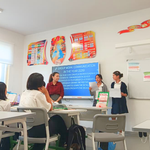
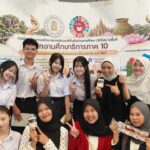
lkuiumsida.ac.id – Entering a new academic environment abroad provides international exchange students with unique experiences, cultural discoveries, and significant opportunities for personal growth. Fauziyah, a student participating in the academic mobility program from English Language Education Study Programme Faculty of Education and Islamic Studies Universitas Muhammadiyah Sidoarjo (UMSIDA) to the Eurasian Humanities Institute (EAGI) in Kazakhstan, shared her insightful journey during her first three weeks in the country. This initial period has proven to be a transformative process of adaptation and a meaningful bridge for international friendship. (25/9).
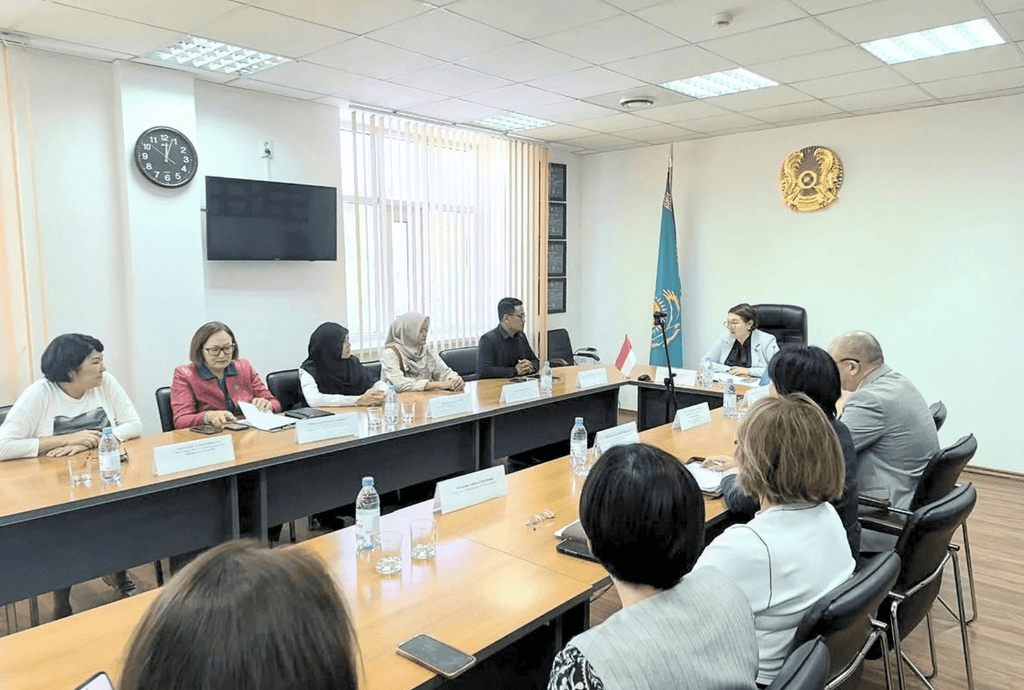
Upon arrival at the EAGI campus, the student delegation from UMSIDA received a warm welcome from the Rector and the faculty members. Accompanied by Mr. Wahyu from UMSIDA during the initial phase of the program, the welcoming ceremony featured an institutional presentation and a traditional gift exchange, marking the official commencement of their academic journey in Astana.
Following the reception, Fauziyah immersed herself in various courses at EAGI, including Basic English Language, Practical Grammar, Physical Education, and Chinese. Navigating a different educational structure required an initial period of adjustment to new schedules, classroom dynamics, and the local learning environment.
Also read: Chasing Stone Whales: Abimael Rain-Soaked Climb to Bueng Kan’s Hidden Summit
Beyond standard coursework, the mobility program offered a Speaking Club platform. This initiative allowed international and local students to engage in language practice and mutual cultural exchange. Through this club, Fauziyah successfully introduced UMSIDA and Indonesian culture to her Kazakh peers, who demonstrated immense enthusiasm and hospitality.
The academic curriculum also provided Fauziyah with her very first introduction to the Chinese language. In this class, she acquired fundamental communication skills, including self-introductions, proper pronunciation, basic numbering, colors, and character writing.
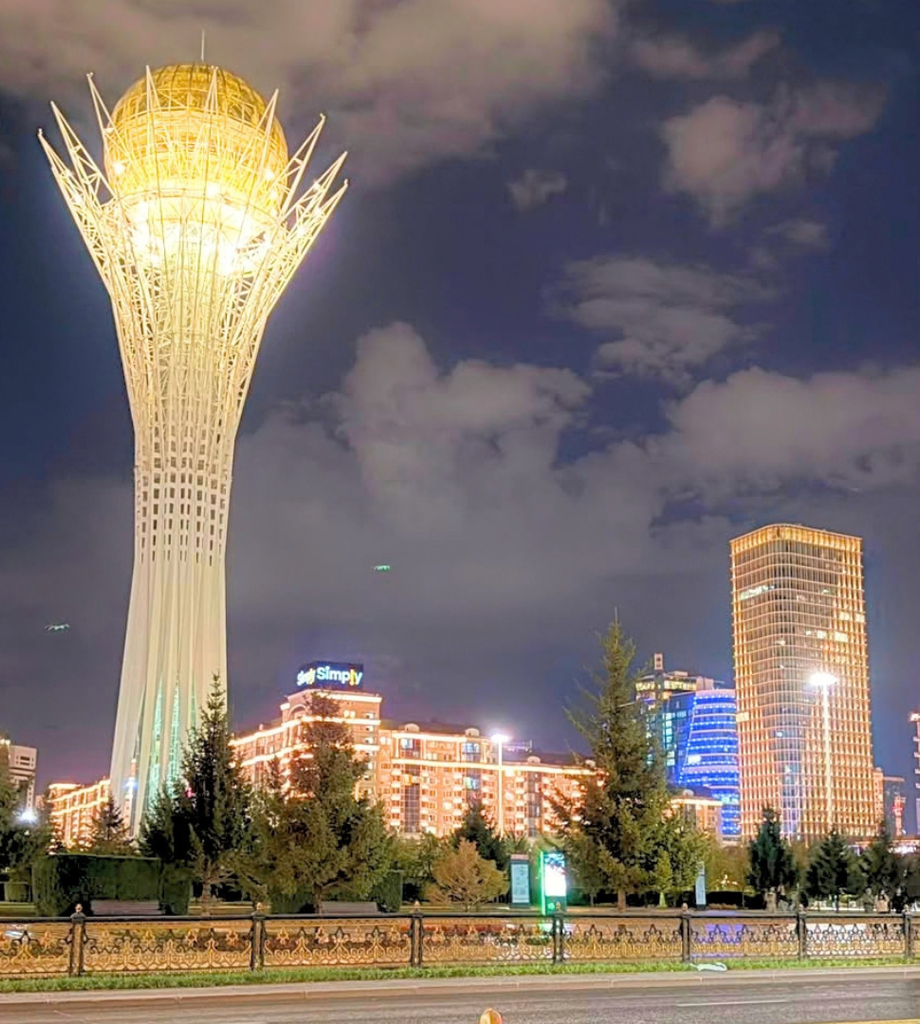
Outside the classroom, the first week was highlighted by educational excursions to Astana’s iconic landmarks. The students explored the majestic Hazrat Sultan Mosque, the Palace of Peace and Reconciliation, the Astana Botanical Garden, the historic Baiterek Tower, and the scenic promenade along the Esil River.
Living in a new country naturally presented practical challenges, particularly language barriers. With Kazakh and Russian being the primary languages spoken in daily life, English was not universally understood by the local population. Fauziyah resourcefully navigated daily interactions using translation applications and non-verbal communication. Despite these barriers, she noted that the local community remained exceptionally kind and supportive.
Dormitory life further accelerated her cultural integration, as routine activities such as cooking and doing laundry became social hubs. Simple interactions, such as borrowing 300 tenge coins for laundry tokens, blossomed into meaningful friendships, allowing students from Kazakhstan and Indonesia to share insights about their respective homelands. Additionally, Fauziyah participated in an institutional fire safety drill at EAGI, an essential practical training exercise she had not previously experienced in Indonesia.
Also read: From Exhibition to Exploration: Zelfa’s Journey in Bueng Kan, Thailand
The mobility experience also extended to Central Asian cuisine, where Fauziyah sampled local staples such as chicken with rice and doner kebabs. However, her most memorable culinary encounter involved a warm salad composed of cucumbers and carrots. “I was surprised that I actually liked the salad because I usually avoid chicken liver. I did not know it was in the food when I was eating it,” she explained.
Reflecting on the initial phase of the program, Fauziyah emphasized that an international academic mobility program extends far beyond classroom lectures. It serves as a vital lesson in resilience, cross-cultural communication, and maintaining an open mind toward diverse global perspectives.
Source: Fauziyah Afifah S